
Preparing Your Home for an EV Charger: A Step-by-Step Guide
Making the switch to an electric vehicle is an exciting milestone. You have done the research, selected the perfect model, and you are ready to say goodbye to the gas station. But before you drive your new car off the lot, there is a crucial step you need to consider: how are you going to charge it at home? For many homeowners in Kentuckiana, the realization that a standard wall outlet simply will not provide enough juice overnight is a sudden wake-up call.
While you can plug some electric vehicles into a standard 120-volt outlet (known as Level 1 charging), it only provides a few miles of range per hour. If you commute daily or rely on your vehicle for running errands, you will need something significantly faster. That is where a dedicated home charging station comes in. However, jumping straight into a new installation requires a bit of preparation to ensure your home's electrical system can safely handle the increased demand.
At Hilltop Electrical, we help homeowners navigate the transition to electric driving every day. We understand that figuring out the technical requirements, safety codes, and installation processes can feel overwhelming. In this guide, we will walk you through exactly what you need to know about preparing your home for a fast, reliable, and safe electric vehicle charging station.
Assessing Your Electrical Panel
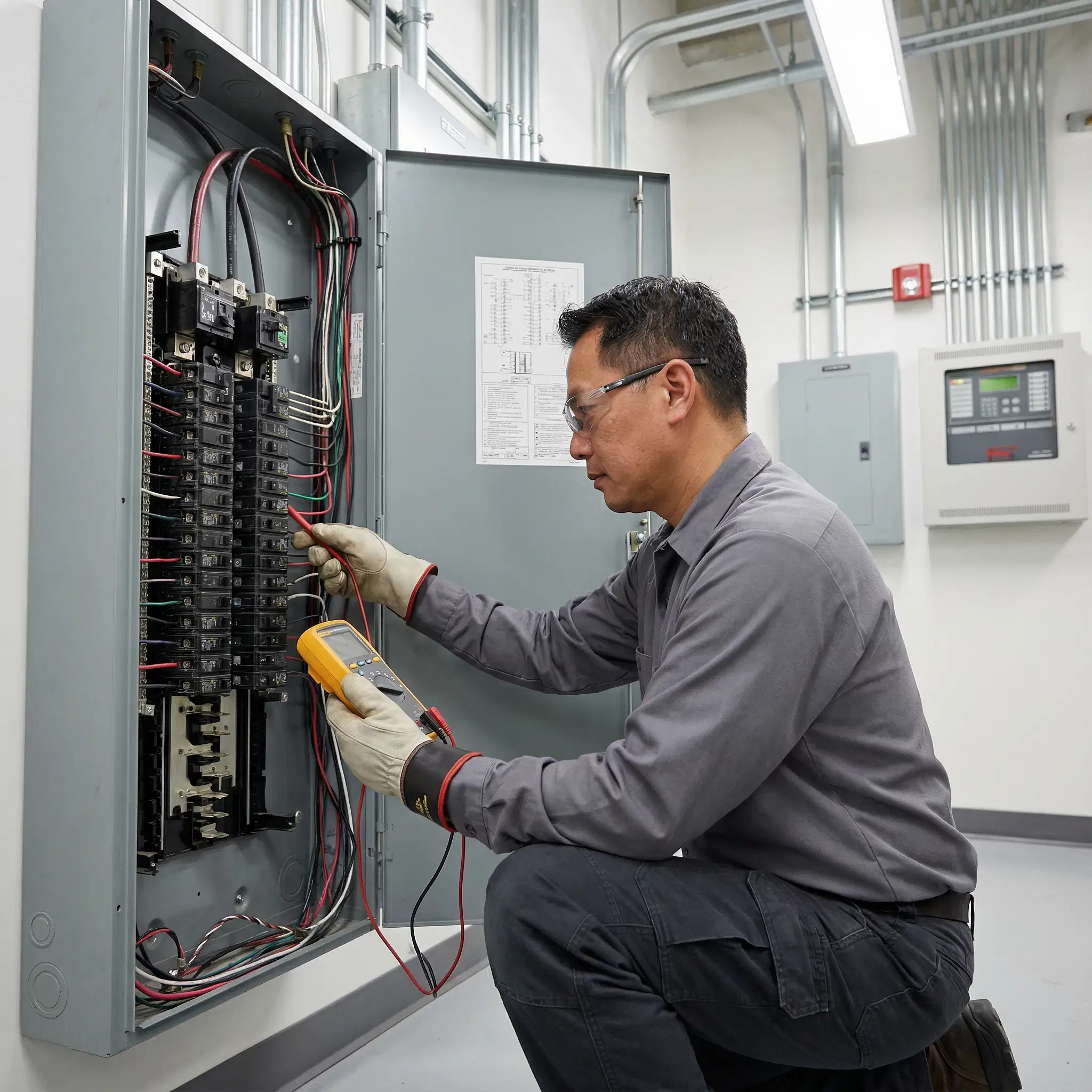
One of the most common questions we hear is, "How do I know if my home's electrical panel needs an upgrade?" It is a fantastic question because your electrical panel is the beating heart of your home's power supply. Most older homes were built to handle the energy needs of their era—think basic appliances, lighting, and maybe a standard HVAC system. They were not designed to support the massive, sustained power draw of an electric vehicle.
If you live in an older home, you might have a 100-amp electrical panel. Today, the standard recommendation is to upgrade your electrical panel to 200 amps to safely support modern amenities, including your new vehicle. If you try to draw too much power through an outdated or undersized panel, you will likely experience tripping circuit breakers, or worse, risk overheating the system. Warning signs of faulty or overwhelmed electrical wiring include flickering lights, buzzing sounds near your breaker box, or breakers that frequently trip when you run multiple appliances.
Safety is our top priority. Staying compliant with strict National Electrical Code (NEC) updates is vital for any major electrical project. Adding a heavy continuous load to your home is not the time for DIY electrical work. A licensed professional will evaluate your current load capacity, verify your bonding and grounding, and ensure that any new installation meets all current safety standards. We provide transparent, upfront pricing on all our panel upgrade services so you never have to worry about hidden fees or the volatile costs of materials surprising you at the end of a project.
Level 2 EV Charger Electrical Requirements
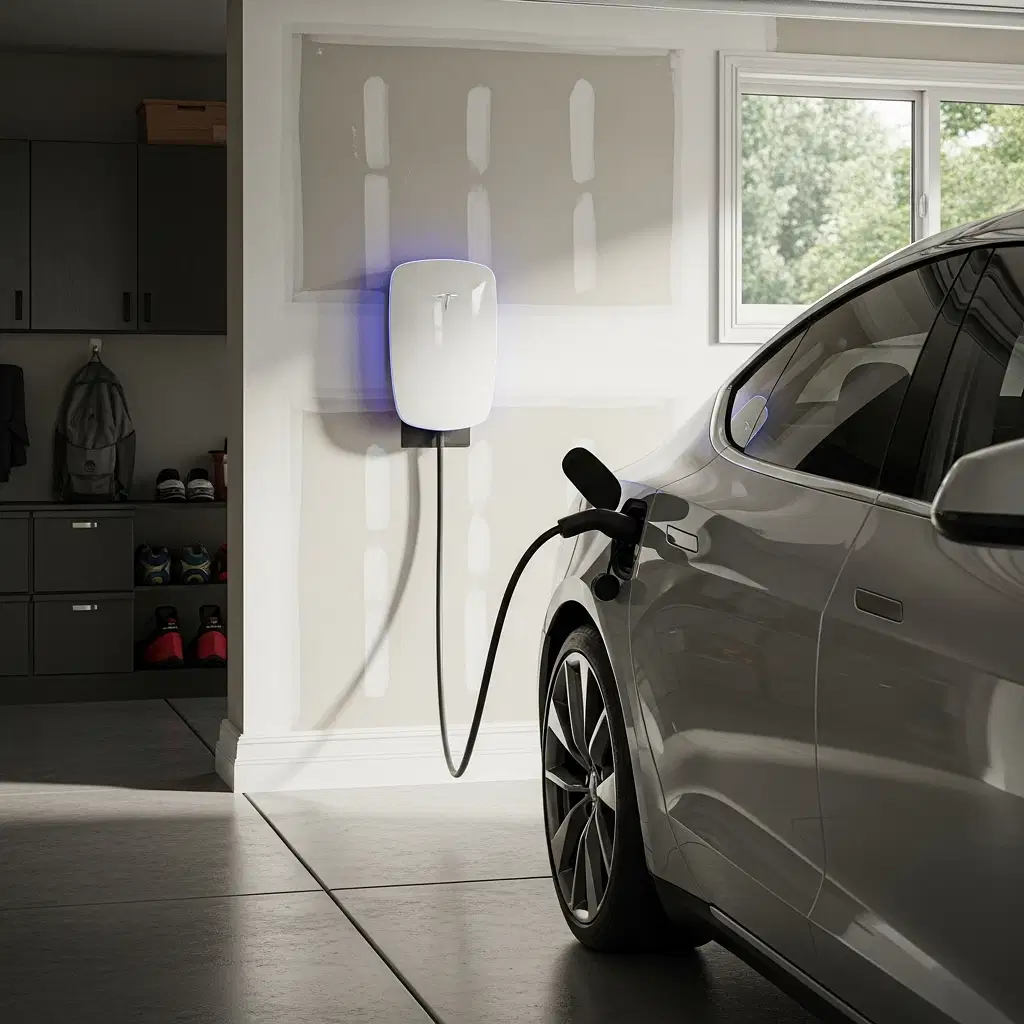
To get the kind of charging speed that replenishes your battery overnight, you will need a Level 2 charger. Understanding the Level 2 EV charger electrical requirements is essential before you purchase any equipment. These units require a dedicated 240-volt circuit—similar to what your electric clothes dryer or heavy-duty oven uses.
So, how to prepare a garage for an EV charger? First, you will need to determine the best location. The charger should be installed close to where your vehicle's charging port will naturally sit when parked. This reduces the need for excessively long, cumbersome cables that can become a tripping hazard. You will also need to clear adequate wall space for the unit and ensure there is a clear path for the electrician to route the new conduit and wiring from your main electrical panel to the installation site.
Depending on the distance from your panel to your garage, routing the heavy-gauge copper wiring required for a 240-volt circuit can be a complex job. Our team ensures that all wiring is cleanly routed, properly secured, and thoroughly tested. We also pull the necessary local permits, taking the administrative burden off your shoulders and ensuring that every aspect of the job is legally compliant and fully documented for your peace of mind.
Smart Home Integration and Financial Incentives
The way we interact with our homes is changing rapidly, and your vehicle's charging station is no exception. A smart home EV charger installation allows you to monitor your charging status from your smartphone, schedule charging times during off-peak utility hours to save money on your electricity bill, and track your historical energy usage.
Homeowners frequently ask if smart home electrical devices are compatible with older wiring. While the smart devices themselves need a stable internet connection and proper voltage, they still rely on the foundational wiring of your house. If your home has outdated wiring, we may need to make some targeted updates to ensure your new smart charger operates flawlessly. Integrating your charging station with broader home automation systems can transform how you manage your household's energy footprint.
Furthermore, upgrading your home's electrical infrastructure has never been more financially accessible. Thanks to the Inflation Reduction Act (IRA), many homeowners are eligible for significant tax credits when they make energy-efficient upgrades. This can include credits for electrical panel upgrades and the installation of EV charging equipment. It is always worth consulting with your tax professional, but knowing these incentives exist can make the decision to future-proof your home much easier.

Moving Forward with Confidence
Preparing your home for an electric vehicle is an investment in convenience, sustainability, and your property's overall value. By ensuring your electrical panel is up to the task, understanding the specific requirements of Level 2 charging, and taking advantage of modern smart home technology, you can enjoy the full benefits of your new vehicle without any electrical headaches.
As a proud Hoosier business, Hilltop Electrical is dedicated to helping our neighbors safely modernize their homes. We pride ourselves on punctuality, strict safety standards, and providing a customer experience that earns your trust from the first phone call to the final inspection.
Are you ready to stop relying on public charging stations and wake up to a full battery every morning? Learn more about our professional EV chargers installation process, or reach out to us directly through our contact us page to schedule your comprehensive home electrical assessment. Let our family help yours drive into the future safely and reliably.