
The Essential Guide to Home Backup Generators
When severe weather rolls through Kentuckiana, the sudden loss of electricity is more than just an inconvenience. In our highly connected world, a power outage can disrupt your daily routine, compromise your security systems, and even lead to spoiled food or a flooded basement if your sump pump stops working. As modern homes become more reliant on technology, from smart home automation to electric vehicle chargers, the need for a reliable power supply has never been greater.
If you have been thinking about ways to protect your home and family during unexpected outages, you are not alone. A growing number of homeowners are looking into backup electrical systems to ensure they remain safe and comfortable, no matter what is happening on the grid. However, navigating the world of emergency power can feel overwhelming. With various sizes, types, and strict safety regulations to consider, making the right choice requires careful planning and professional insight.
In this guide, we will walk you through everything you need to know about preparing your home for power outages, from choosing between different types of systems to understanding the essential safety requirements involved in the installation process.
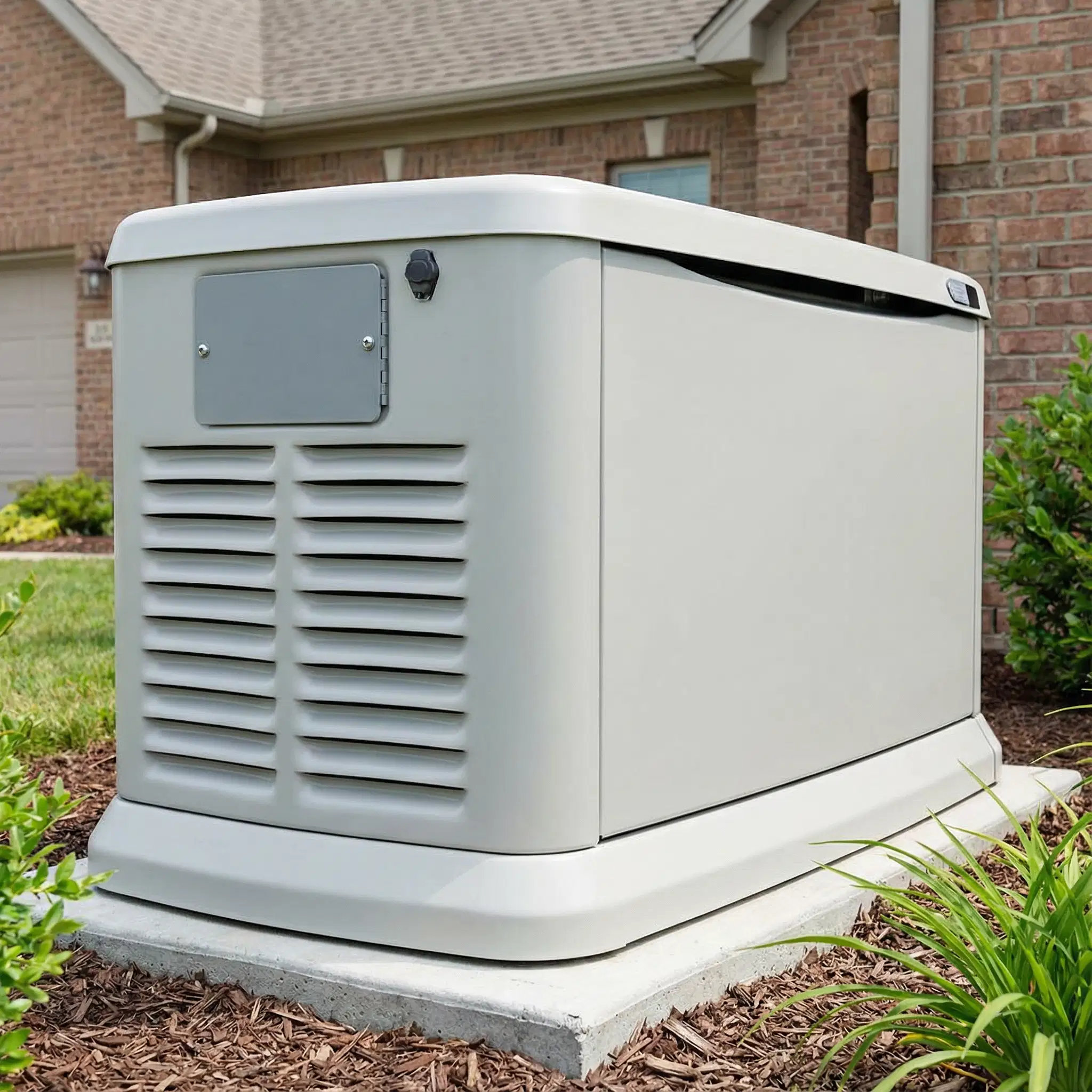
Portable Generator vs Standby Generator for Home
One of the first decisions you will need to make is choosing between a portable system and a permanent standby unit. Both options have their merits, and the best choice ultimately depends on your budget, your physical ability to manage the equipment, and how seamlessly you want the power to transition during an outage.
Portable generators are a popular and cost-effective entry point for emergency power. These units are typically stored in a garage or shed and must be manually rolled out, fueled, and connected when the power goes down. They are excellent for keeping a few essential items running, such as a refrigerator, a few lights, and medical devices. However, they require you to brave the elements to set them up, and you must constantly monitor their fuel levels.
On the other hand, a whole-house standby generator is a permanent fixture installed outside your home, much like an air conditioning compressor. These systems are connected directly to your home's electrical panel and run on your existing natural gas or liquid propane supply. The primary advantage here is automation. When the grid fails, a standby system detects the loss of power and automatically kicks on within seconds, restoring electricity to your home whether you are sitting in your living room or halfway across the country on vacation. For those looking for true peace of mind and comprehensive backup power, a standby unit is the superior, hands-off solution.
Sizing a Home Backup Generator
A common mistake homeowners make is assuming that backup power is a one-size-fits-all solution. In reality, sizing a home backup generator is a careful calculation based on your family's specific lifestyle and electrical demands.
If your goal is simply to prevent pipes from freezing, keep the food in the fridge cold, and maintain a few lights, a smaller unit will suffice. But if you want to live life exactly as you do when the grid is functioning—running central air conditioning, electric ranges, well pumps, and sensitive home office equipment—you will need a significantly larger capacity.
To determine the right size, an electrician will calculate the starting wattage and running wattage of all the appliances you wish to power simultaneously. Appliances with motors, like your HVAC system or a refrigerator, require a massive surge of power just to turn on, which must be factored into the generator's capacity. Guessing this number can lead to an undersized unit that overloads and shuts down precisely when you need it most, or an oversized unit that wastes fuel and money.
Because electrical loads vary drastically from a historic house to a modern smart home, it is always best to have a licensed professional conduct a thorough load calculation before you purchase any equipment.
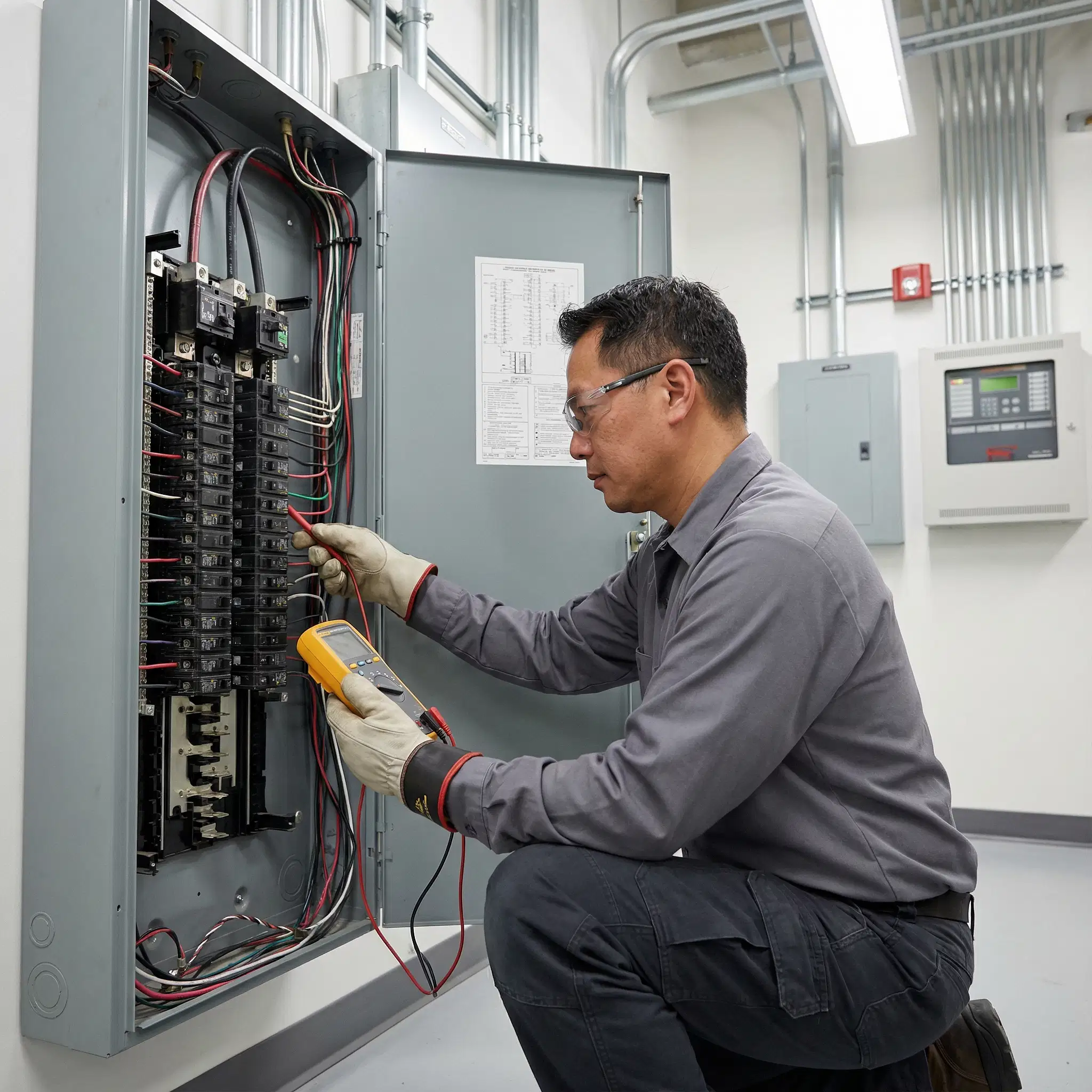
Generator Transfer Switch Installation Requirements
Regardless of whether you choose a portable or standby system, safety and strict electrical code compliance are paramount. The most critical component of your emergency power setup is the transfer switch.
A transfer switch is a specialized electrical device that safely disconnects your home from the utility grid before allowing generator power to flow into your circuits. This prevents a dangerous situation known as backfeeding, where your generator sends electricity back through the utility lines. Backfeeding can be fatal to utility workers who are actively trying to repair the downed lines in your neighborhood.
Understanding generator transfer switch installation requirements is vital. The National Electrical Code (NEC) mandates that transfer switches must be installed by a qualified professional, and the equipment must be properly rated for the amperage it will handle. In many cases, installing a transfer switch might require panel upgrades to ensure your existing electrical infrastructure can safely integrate with the new equipment.
Attempting a DIY installation or using illegal methods like a "suicide cord" to plug a generator directly into a dryer outlet is incredibly dangerous and violates local building codes. A professional installation ensures that your system operates safely, protects your home's wiring, and passes all local permitting inspections without any costly bottlenecks.
Protecting Your Home Before the Next Storm
Investing in an emergency power system is one of the best ways to protect your family and your property from the unpredictability of severe weather. Whether you are leaning toward the flexibility of a portable unit or the seamless comfort of an automatic standby system, taking the time to understand your needs and the necessary safety requirements will ensure your home stays bright and warm during the next outage.
At Hilltop Electrical, we take pride in helping our fellow Hoosiers navigate their home energy needs with transparent, upfront pricing and strict adherence to safety standards. If you are ready to explore your backup power options or want a professional assessment of your home's electrical capacity, we are here to help.
Reach out to us today via our contact us page to schedule a consultation and take the first step toward uninterrupted peace of mind.